
Popular Tree Removal Products That Make Heavy Lifting Easier
Explore the most sought-after tools and gear that help simplify challenging tree removal tasks with safety and precision.
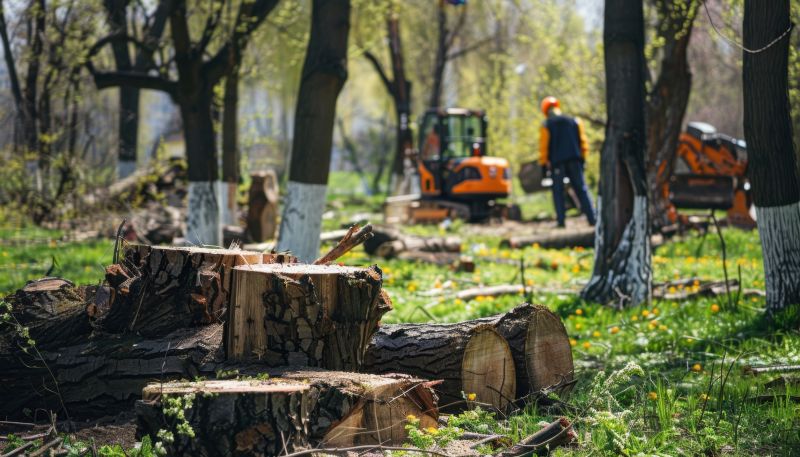 Tree removal is a task that often requires specialized tools and equipment to ensure safety and efficiency. Whether dealing with dead or hazardous trees, clearing space for construction, or managing overgrown landscapes, having the right products can make the process smoother. From manual tools to powered equipment, there are numerous options designed to suit various needs and levels of experience. Proper selection depends on the size of the tree, the environment, and the user's comfort with handling different types of machinery.
Top Overall Option
Heavy-Duty Gas-Powered Chainsaw
A versatile, gas-powered chainsaw offers robust cutting power suitable for a variety of tree removal tasks. Designed for durability and extended use, it provides the capacity to handle large branches and trunks efficiently. Features such as adjustable tension, ergonomic design, and safety mechanisms contribute to a more controlled and safer operation. While it requires some maintenance and handling experience, this type of equipment is favored by many for its reliability and performance in demanding situations.
Types of Products For Tree Removals
Manual Hand Saws
Ideal for small branches and detailed pruning, manual hand saws are lightweight and easy to maneuver, making them suitable for precise work.
Pruning Shears
Useful for trimming smaller limbs and branches, pruning shears offer control and are essential for maintaining tree health before removal.
Pole Saws
Extendable tools that allow users to reach higher branches safely from the ground, reducing the need for ladders.
Chainsaws
Powerful handheld tools designed for cutting through large trunks and branches quickly and efficiently.
Stump Grinders
Specialized equipment used to grind down remaining stumps after tree removal, facilitating landscaping or replanting.
Rope and Pulley Systems
Manual or mechanical systems to help control and lower large branches or trunks safely.
Ladders and Climbing Gear
Essential for reaching high branches safely when manual tools are insufficient.
Safety Helmets and Gear
Protective equipment designed to safeguard users from falling debris and accidental injuries.
Tree Removal Winches
Power tools used to pull or lift heavy trunks or branches during removal.
Hydraulic Cutters
Heavy-duty tools that use hydraulic power to cut through thick wood efficiently.
Chainsaw Carving Bars
Specialized attachments for detailed carving or shaping during tree removal or trimming.
Tree Felling Wedges
Tools used to control the direction of falling trees and prevent accidents during cutting.
Debris Chippers
Equipment that chips branches and limbs into mulch, reducing waste volume.
Portable Generators
Power sources for running electric tools in remote or outdoor locations.
Tree Climbing Spurs
Gear for professional arborists to ascend and work safely within trees.
Popular Choices
Offering portability and ease of use, these chainsaws are popular for small to medium tasks.
Convenient for reaching high branches without ladders, suitable for light to moderate trimming.
Effective for trimming and removing smaller branches with minimal effort.
Widely used for complete stump removal, especially in landscaping projects.
Combining power and reach, ideal for larger tree trimming and removal tasks.
Popular protective gear to ensure safety during tree work.
Commonly used to assist in controlled tree felling and prevent accidents.
Preferred for processing branches and limbs into mulch or wood chips.
Essential for professional arborists working at height with safety and comfort.
Popular for their reliability and lower maintenance for smaller projects.
Chosen for their ability to handle thick wood efficiently in professional settings.
Favored for safety and stability when working on high branches.
Commonly used for controlled removal of large trunks or heavy branches.
Popular for powering electric tools in remote locations.
Widely used by professional arborists for safe ascent and work within trees.
In Smyrna, Tennessee, homeowners and professionals alike seek reliable tools that can handle the challenges of tree removal while maintaining safety standards. The right equipment not only improves efficiency but also helps prevent accidents and property damage. Investing in quality products tailored for tree removal tasks can make a significant difference in achieving effective results.
Understanding the different types of tools available is essential. Manual tools like hand saws and pruning shears are suitable for smaller branches and detailed work. For larger trees, powered options such as chainsaws, pole saws, and stump grinders are commonly used. Safety gear including helmets, gloves, and protective clothing is equally important to ensure safety during operations. Proper training and adherence to safety protocols are recommended regardless of the equipment chosen.
Overall, selecting the appropriate products for tree removal involves considering the scope of the project, safety features, ease of use, and durability. With the right tools, tasks that once seemed daunting can be managed more efficiently, making tree removal safer and more manageable for residents and professionals in Smyrna and beyond.
Key Buying Considerations
- Tree size and type: Ensure the equipment is appropriate for the size and species of trees being removed.
- Power source: Decide between electric, battery-powered, or gas-powered tools based on mobility and power needs.
- Safety features: Look for safety mechanisms such as chain brakes, protective guards, and ergonomic designs.
- Ease of use: Consider user experience, especially for manual tools or less experienced operators.
- Durability and build quality: Select products made from high-quality materials to withstand demanding tasks.
- Maintenance requirements: Be aware of the upkeep needed for powered equipment to ensure longevity.
- Portability: For outdoor and remote work, lightweight and portable tools can be advantageous.
- Accessories and attachments: Check compatibility with additional tools like blades, chains, or extension poles.
- Budget: Balance cost with features and durability to find suitable options within your price range.
- Environmental conditions: Consider weather resistance and suitability for outdoor use in various climates.
- Storage and organization: Ensure there is adequate space to store tools safely and conveniently.
- Training and safety protocols: Proper handling and safety training are essential for effective and safe operation.
- Local regulations: Be aware of any local restrictions or permits required for tree removal equipment.
- Warranty and support: Choose products with reliable customer support and warranty coverage.
- Environmental impact: Consider noise levels and emissions, especially for gas-powered tools.